





Can You Sue Amazon for a Defective Product Injury? California Courts Say Yes
More than 60% of the products sold on Amazon come from third-party sellers — hundreds of millions of listings from vendors that are often anonymous, incorporated overseas, or dissolved by the time you are injured. When a defective product from Amazon’s marketplace causes you severe burns, fractures, or permanent disability, Amazon’s default response has historically been: “We’re just a platform — sue the seller.” That defense is collapsing in courts across America. In California, the law is now settled: Amazon can be held strictly liable for injuries caused by products it stores, packs, and ships through its Fulfilled by Amazon (FBA) program.
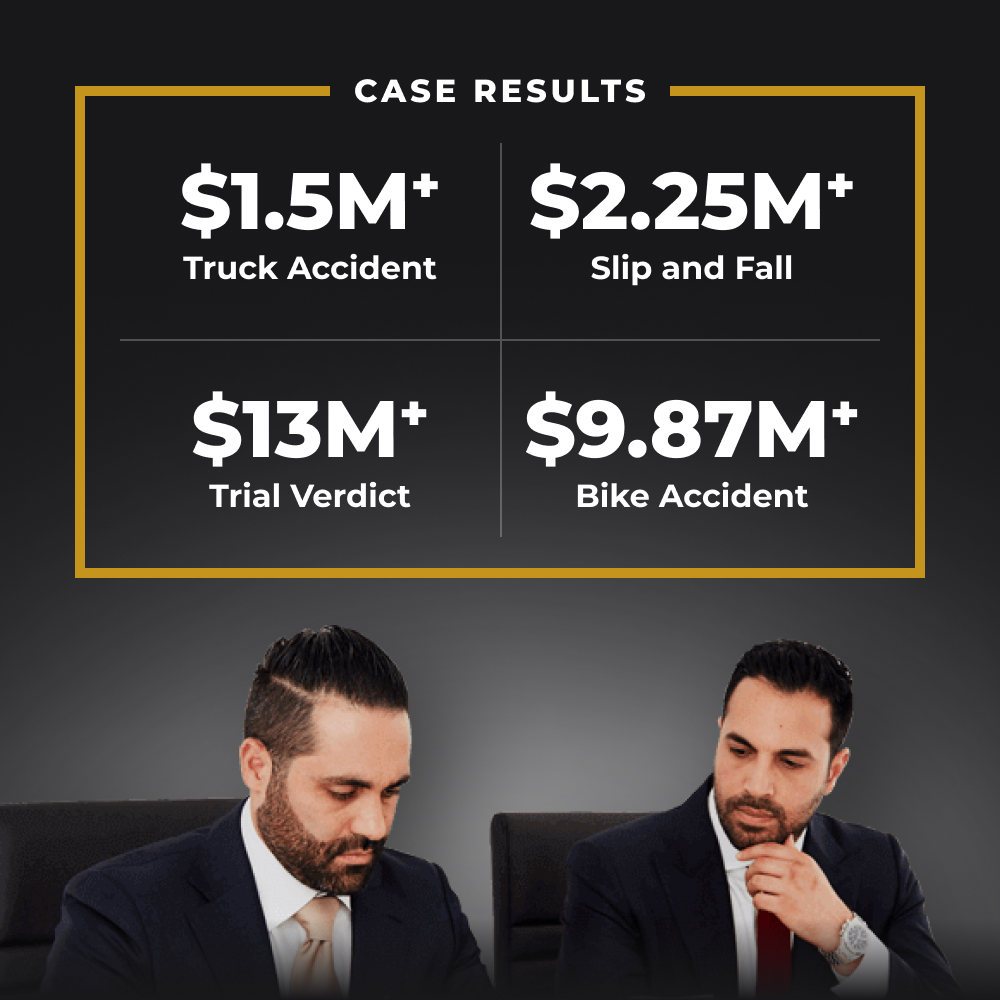
If you were injured by a product purchased on Amazon — an exploding battery, a flammable garment, a defective power tool, a contaminated supplement — you may have a direct legal claim against one of the wealthiest corporations in the world. The product liability attorneys at Compass Law Group in Los Angeles and Beverly Hills have recovered more than $250 million for California injury victims, and we take Amazon product liability cases on a No Win, No Fee basis.
Key Takeaways
- Bolger v. Amazon.com, LLC (Cal. Ct. App. 2020) — Amazon is strictly liable for defective FBA products even when a third-party seller manufactured them
- The U.S. Consumer Product Safety Commission (CPSC) classified Amazon as a federal “distributor” in a landmark 2024 order covering 80%+ of third-party sellers
- Amazon’s Section 230 and “marketplace” defenses are rejected by California courts for physical injury claims involving FBA products
- California’s two-year statute of limitations under CCP §335.1 means acting quickly protects critical evidence and legal rights
How California Courts Dismantled Amazon’s Marketplace Defense
For years, Amazon deployed what its legal team called the “mere conduit” defense: the company facilitates commerce between buyers and sellers but bears no legal responsibility for what those sellers offer. This argument succeeded in some courts and failed in others, creating a legal patchwork that left injured consumers uncertain about their rights.
The California Court of Appeal resolved the uncertainty in Bolger v. Amazon.com, LLC (53 Cal.App.5th 431, 2020). Angela Bolger purchased a laptop battery replacement through Amazon from Lenoge Technology, a Chinese vendor using Amazon’s Fulfilled by Amazon program. The battery exploded, causing Bolger severe burns requiring hospitalization. Amazon argued it was not a “seller” subject to strict products liability — that only Lenoge bore responsibility.
The court rejected this framing decisively. Examining what Amazon actually does in an FBA transaction, the court found Amazon had “placed itself between Lenoge and Bolger in the chain of distribution” by storing the product in its own warehouse, shipping it in Amazon packaging, processing the payment, and managing returns. Three policy factors drove the outcome: (1) Amazon was the only reasonably available defendant — the Chinese manufacturer was effectively unreachable; (2) Amazon could influence product safety through its platform requirements; and (3) Amazon could distribute injury costs through its indemnification agreements with sellers.
“The Bolger ruling restores a foundational principle,” says Joseph Shirazi, Managing Partner of Compass Law Group’s Los Angeles office. “If a company profits from placing a product in consumers’ hands and controls every aspect of that transaction — warehousing, shipping, payment, returns — it belongs in the chain of liability when the product causes harm. Amazon is not a bulletin board. It is an active distributor.”
The 2024 CPSC Order: Federal Regulators Confirm Amazon Is a Distributor
California courts were not alone in reaching this conclusion. In July 2024, the U.S. Consumer Product Safety Commission issued a landmark administrative order finding Amazon responsible under the Consumer Product Safety Act for hazardous products sold by third-party sellers through its FBA program. The CPSC formally reclassified Amazon as a “distributor” — a classification triggering mandatory recall participation, consumer notification duties, and hazard reporting obligations.
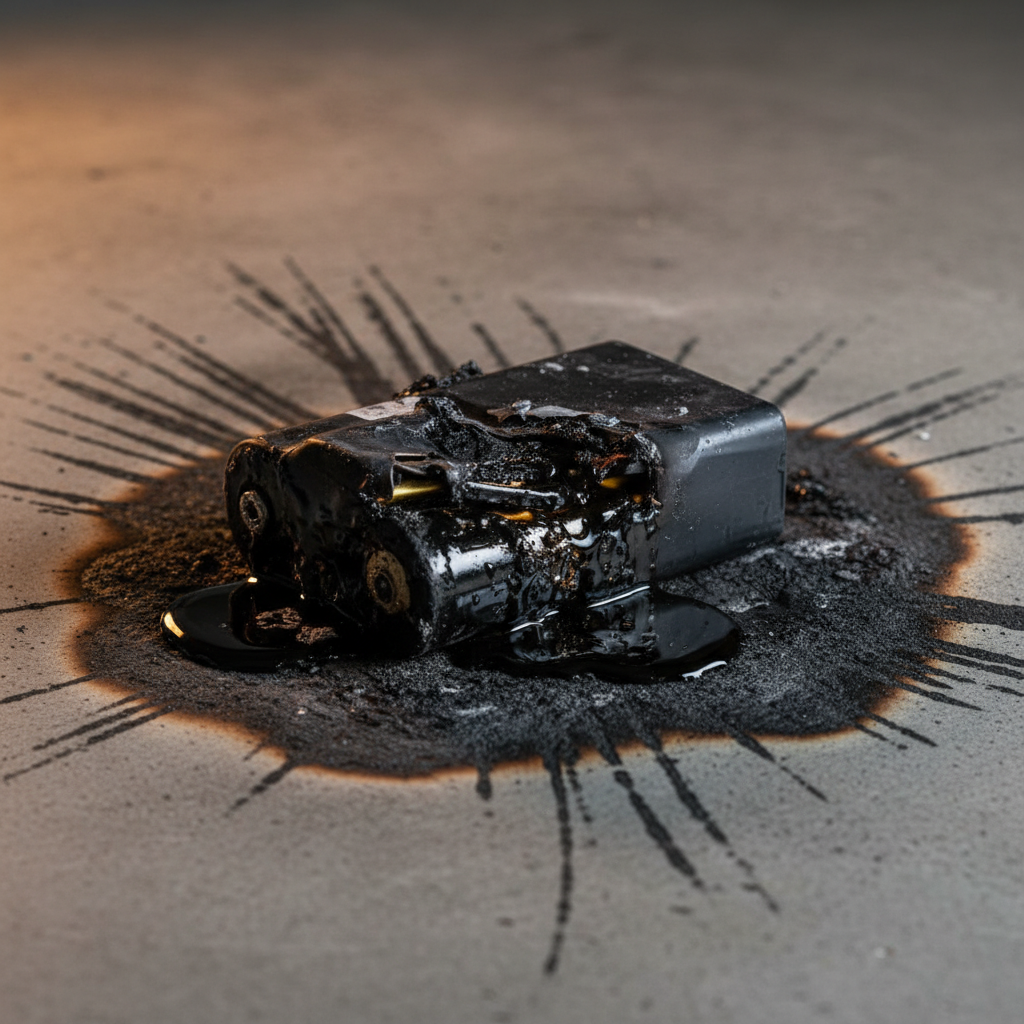
The CPSC found that Amazon had received safety notices about dangerous products and failed to act adequately, leaving consumers exposed to fire hazards, strangulation risks, and toxic chemical exposures. The ruling covers more than 80% of third-party sellers — virtually every product arriving in an Amazon-branded box from an Amazon warehouse.
“The Commission finds that Amazon received the products from third-party sellers, stored the products in Amazon’s fulfillment centers, and then shipped the products to consumers — that is distribution,” the CPSC wrote. Amazon appealed, but the appeal has not reversed the regulatory classification or its evidentiary weight in civil litigation. If Amazon received a safety notice about the product that injured you and failed to recall it, that regulatory failure supports your damages claim.
California Strict Products Liability — What the Law Requires
California’s strict products liability doctrine, established in Greenman v. Yuba Power Products (59 Cal.2d 57, 1963), holds every entity in the commercial chain of distribution — manufacturer, distributor, wholesaler, or retailer — strictly liable for injuries caused by a defective product. Under California Civil Code §1714, every person is responsible for injury caused to another by a want of ordinary care in the management of their property. Strict liability goes further: you need not prove negligence. You must prove:
- The defendant was in the chain of distribution
- The product contained a manufacturing defect, design defect, or failure to warn
- The defect caused your injury
Under Bolger and the CPSC 2024 order, Point 1 is established for FBA products. Courts recognize three defect categories in Amazon marketplace cases: manufacturing defects (a product deviated from its intended design — e.g., a battery assembled with sub-standard cells); design defects (an entire product line is inherently dangerous — e.g., a power bank lacking thermal protection); and failure to warn (inadequate instructions about risks a user would not otherwise know). Our Beverly Hills personal injury attorneys work with product safety engineers to establish the specific defect and its causal role in your injuries.
Amazon’s Three Defense Strategies — and Why They Fail in California
Amazon’s defense playbook in product liability cases follows a consistent pattern. Understanding where these arguments succeed and fail enables an informed assessment of your claim.

Free Confidential Consultation — Compass Law Group, LLP | Product Liability
Defense 1: “We Are Just an Online Marketplace”
Amazon’s foundational argument is that it is a passive conduit — a digital platform connecting buyers and sellers, bearing no responsibility for what sellers offer. This argument succeeded in some federal courts applying the law of states that have not yet addressed online marketplace liability. In California, the Bolger court rejected it explicitly for FBA products. When Amazon stores, packs, and ships a product from its own warehouse, its involvement is not passive — it is the functional equivalent of a traditional distributor. The “marketplace” label does not change what Amazon physically does.
Defense 2: Section 230 of the Communications Decency Act
Amazon has attempted to use Section 230 — the federal statute shielding internet platforms from liability for third-party speech — to deflect product liability claims. The California Court of Appeal rejected this argument directly in Bolger, holding that “strict liability claims depend on Amazon’s own activities, not its status as a speaker or publisher of content provided by third parties.” Section 230 protects speech; it does not immunize a company that physically warehoused, packed, and shipped a battery that exploded. The law’s text and purpose do not reach physical injury causation.
Defense 3: Seller Indemnification Agreements
Amazon’s seller contracts require third-party vendors to carry liability insurance and indemnify Amazon against consumer claims. Amazon has argued these contracts transfer responsibility to sellers. Courts find this irrelevant to consumer claims: indemnification agreements govern disputes between Amazon and its sellers, not between Amazon and an injured consumer who was never a party to those contracts. A consumer’s right to hold Amazon liable under California strict liability cannot be contracted away in an agreement the consumer never saw.
Where Amazon Has Won — The Complete Picture
A credible analysis acknowledges Amazon’s legal victories. In March 2025, the Ninth Circuit affirmed dismissal of a false advertising case where Amazon escaped liability for text printed on third-party sellers’ product packaging. The court held that “Amazon’s sale of a product, without more, does not warrant treating Amazon as the maker of the statements contained within that product’s commercial advertising.” This ruling is narrow: it addresses false advertising claims about seller-generated text, not physical injury claims arising from product defects. California’s Bolger holding — strict liability for FBA product injuries — is unaffected by a false advertising dismissal. Amazon has also escaped liability in states without settled marketplace liability doctrine, underscoring why California jurisdiction is favorable for injured consumers pursuing FBA claims.
What Compensation Can You Recover from Amazon in California?
A successful product liability claim against Amazon may recover economic damages, non-economic damages, and — in cases of egregious conduct — punitive damages. California imposes no statutory cap on compensatory damages in product liability cases.
Economic damages you may claim include: all past and future medical expenses (emergency treatment, surgery, rehabilitation, ongoing care for permanent injuries); lost wages and diminished earning capacity; projected lifetime costs for permanent disability; out-of-pocket expenses; and property damage. Non-economic damages include pain and suffering, emotional distress, disfigurement, loss of enjoyment of life, and loss of consortium — often the largest component in serious injury cases involving burns, amputations, or traumatic brain injuries.
Punitive damages under California Civil Code §3294 are available when Amazon’s conduct demonstrates malice, oppression, or fraud — for example, when Amazon received safety complaints about a product and continued fulfilling orders. California courts apply a single-digit multiplier rule as a practical ceiling. Given Amazon’s annual revenues exceeding $600 billion, even modest compensatory findings can support significant punitive awards where the evidentiary record justifies them. Our Long Beach personal injury attorneys evaluate punitive exposure at intake to guide litigation strategy.
Source: Compass Law Group | Product Liability — No Win No Fee
How Compass Law Group Builds Your Amazon Product Liability Case
Suing Amazon requires a law firm with the resources to litigate against a corporation with a national legal defense operation. At Compass Law Group, our Beverly Hills and Los Angeles teams take Amazon marketplace injury cases on contingency — you pay nothing unless we recover for you.
- Identify all liable parties simultaneously — the third-party seller (through Amazon’s discovery), the overseas manufacturer (through customs records), the U.S. importer of record, and Amazon itself. Multiple defendants mean multiple insurance policies and recovery sources
- Serve immediate preservation demands — Amazon has legal hold obligations once litigation begins. We send preservation notices to secure: the product’s FBA fulfillment records, the seller’s account and complaint history, CPSC notices Amazon received, and the full order transaction trail
- Deploy product safety experts — engineers and safety specialists examine the defective product, identify the failure mode, and testify that the defect caused your injury. This technical foundation separates viable product liability claims from speculation
- Challenge arbitration demands strategically — Amazon’s Terms of Service contain broad arbitration clauses. California courts have found some clauses unenforceable for personal injury claims. An experienced attorney evaluates and challenges arbitration demands before they derail your case
Our firm has handled product liability cases involving manufactured defects, retail distribution chains, and corporate defendants with sophisticated defense counsel. We bring the same resources to Amazon cases that Amazon brings to its own defense.
Q: Can I sue Amazon if the product was shipped directly by the seller — not “Fulfilled by Amazon”?
The FBA distinction matters in California. For FBA products, Bolger v. Amazon.com provides direct authority for holding Amazon liable as a product distributor. For merchant-fulfilled orders, courts examine Amazon’s degree of control — payment processing, buyer protection guarantees, seller performance standards, and platform branding. Claims are more complex but not always impossible. Under CCP §335.1, you have two years from injury to pursue all viable theories. Contact a California product liability attorney promptly before the evidence window closes.
Q: What does the 2024 CPSC ruling mean for my claim against Amazon?
The CPSC’s July 2024 order classifying Amazon as a “distributor” under the Consumer Product Safety Act means Amazon had federal obligations to report safety hazards, notify consumers about dangerous products in its fulfillment network, and participate in recalls. If Amazon received safety notices about the product that injured you and failed to notify you or initiate a recall, that regulatory failure is relevant civil evidence of Amazon’s knowledge and inaction. Our attorneys at Compass Law Group obtain CPSC filings and internal Amazon safety records through discovery in appropriate cases to establish this knowledge element.
Q: Does Amazon’s Section 230 defense protect it from my lawsuit?
No. The California Court of Appeal in Bolger v. Amazon.com explicitly rejected this defense. The court held that “strict liability claims depend on Amazon’s own activities, not its status as a speaker or publisher of content provided by third parties.” Section 230 protects platforms from liability for user-generated speech — not from physical injury claims arising from products they stored in their warehouses, packed in their boxes, and shipped to your door. The CPSC’s 2024 ruling further reinforces this at the federal regulatory level.
Q: The third-party seller is overseas and untraceable. Does that help my case against Amazon?
Yes — significantly. One of the three policy factors the Bolger court cited for imposing strict liability on Amazon was precisely this: Amazon was “the only reasonably available defendant available to the injured purchasers.” When the manufacturer or seller is in China, dissolved, or unreachable, Amazon becomes the primary viable defendant. This is not a legal technicality — it is the exact policy the California court identified as justifying marketplace liability. California’s strict products liability doctrine was designed to ensure injured consumers have a financially capable defendant when the chain of distribution extends to unreachable entities. Los Angeles personal injury attorneys at Compass Law Group regularly pursue Amazon as the primary recovery source in these circumstances.
Q: What Amazon products most commonly cause serious injuries?
At least 11 Amazon product liability lawsuits were filed in 2025 alone. The highest-risk product categories include: lithium-ion batteries and power banks that overheat or explode (the scenario in Bolger); children’s sleepwear and toys failing federal flammability standards; power tools — chain hoists, safety harnesses, car jacks — that fail under rated load causing falls and crush injuries; mislabeled dietary supplements with undisclosed active ingredients; and camping equipment including stoves that flare unexpectedly. If you were injured by any product purchased on Amazon and shipped in Amazon packaging, preserve the product and contact a product liability attorney immediately — seller listings are removed rapidly after complaints surface, making timely preservation critical.
California Amazon Product Liability — Key Statistics
- 60%+ of products sold on Amazon come from third-party sellers (Amazon Business Report)
- 80%+ of third-party sellers use Fulfilled by Amazon — meaning Amazon physically handled most marketplace products that have injured consumers (CPSC 2024 order)
- 11+ Amazon product liability lawsuits filed in 2025 alone, involving exploding batteries, unsafe household goods, and defective tools (Legal Examiner, 2025)
- 2 years — California statute of limitations for product liability under CCP §335.1
- $0 upfront — Compass Law Group handles Amazon product liability cases on strict contingency: No Win, No Fee
Steps to Take After Being Injured by an Amazon Product
- Seek immediate medical care. Your health is the priority. Medical records documenting every symptom, treatment, and provider are the foundation of your damages claim. Gaps in treatment are exploited by defense attorneys.
- Preserve the defective product. Do not discard, clean, or repair it — even if it is damaged or poses ongoing risk. Photograph it from multiple angles, bag it safely, and store it as physical evidence. Destruction of the product can be catastrophic to your case.
- Document injuries and the scene. Photograph burns, lacerations, and bruising as soon as possible. Note the Amazon order number and screenshot the product listing immediately — third-party listings are frequently removed after complaints surface.
- Save all purchase records. Locate your order confirmation email, the packing slip, and any seller communications. Screenshot them — Amazon purges third-party listing data on seller request.
- Report to the CPSC. File a consumer report at SaferProducts.gov. This creates an official federal record, may trigger Amazon’s recall obligations, and can identify other injured consumers who experienced the same defect.
- Preserve all communications with Amazon. Customer service exchanges, refund communications, and any Amazon or seller acknowledgments sometimes contain admissions about prior complaints or known defects.
- Contact a product liability attorney before speaking with Amazon’s representatives. Amazon employs sophisticated defense counsel. Before you communicate with anyone on Amazon’s behalf, consult a California product liability lawyer who has handled marketplace injury claims.
Get Your Free Consultation Today
Injured by a defective product from Amazon’s marketplace? Compass Law Group fights for full compensation against Amazon and third-party sellers — No Win, No Fee. Call now or submit your case online for a free, confidential review.